
 Authorized distributor of Emerson automation fluid-control valve products for the lithium battery industry|
 Partner of Hamilton (Switzerland) process sensors (electrodes) for the lithium battery industry
Hamilton Process Electrodes (pH / DO / Conductivity)
Selection, supply and support services for Hamilton (Switzerland) process-analysis electrodes, covering pH, dissolved oxygen, conductivity and turbidity, suited to high-temperature sterilization, fluoride-containing and low-conductivity duties.
Why buy electrodes from us
The electrode itself is a standard product — the real problem is selection. The same pH electrode may drift within months in high-purity water, or fail within a week in a fluoride-containing medium. That is not a quality issue; it is the wrong selection.
Our role is to understand your process conditions first, then define the model — together with the matching transmitter terminal, mounting hardware, calibration solutions and a recommended replacement interval.
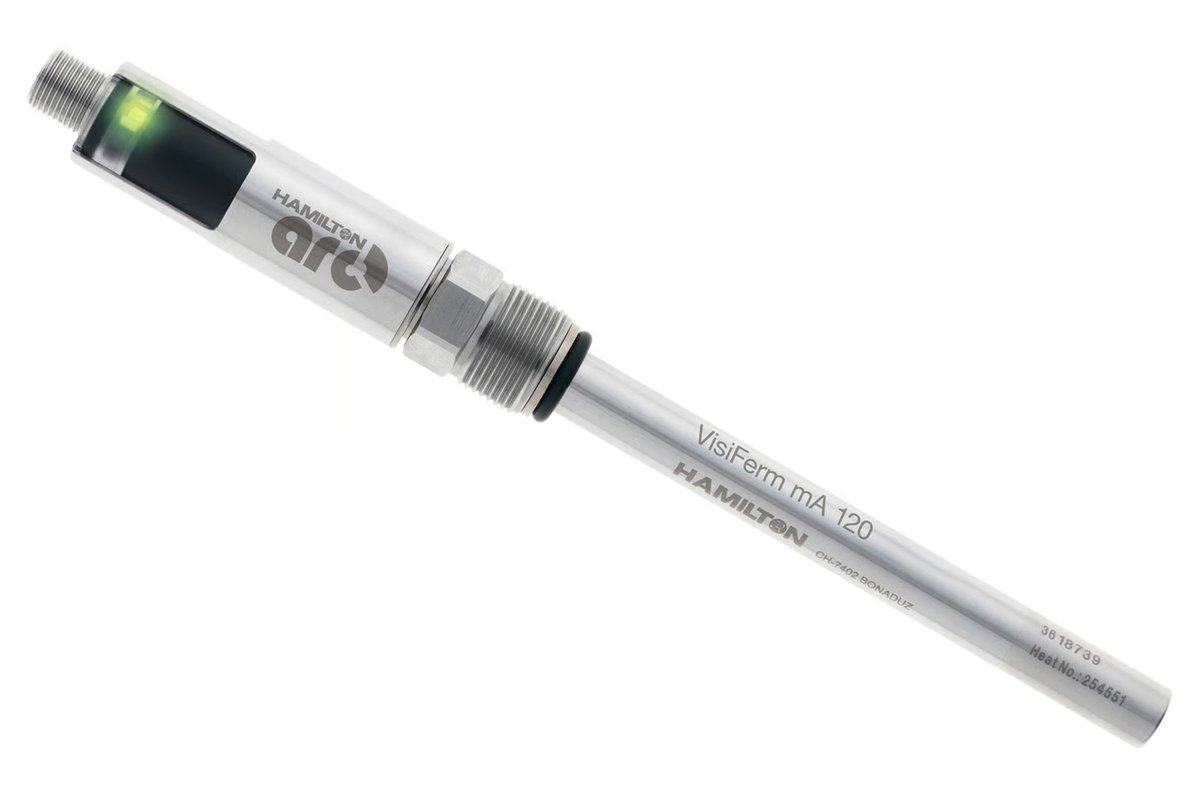
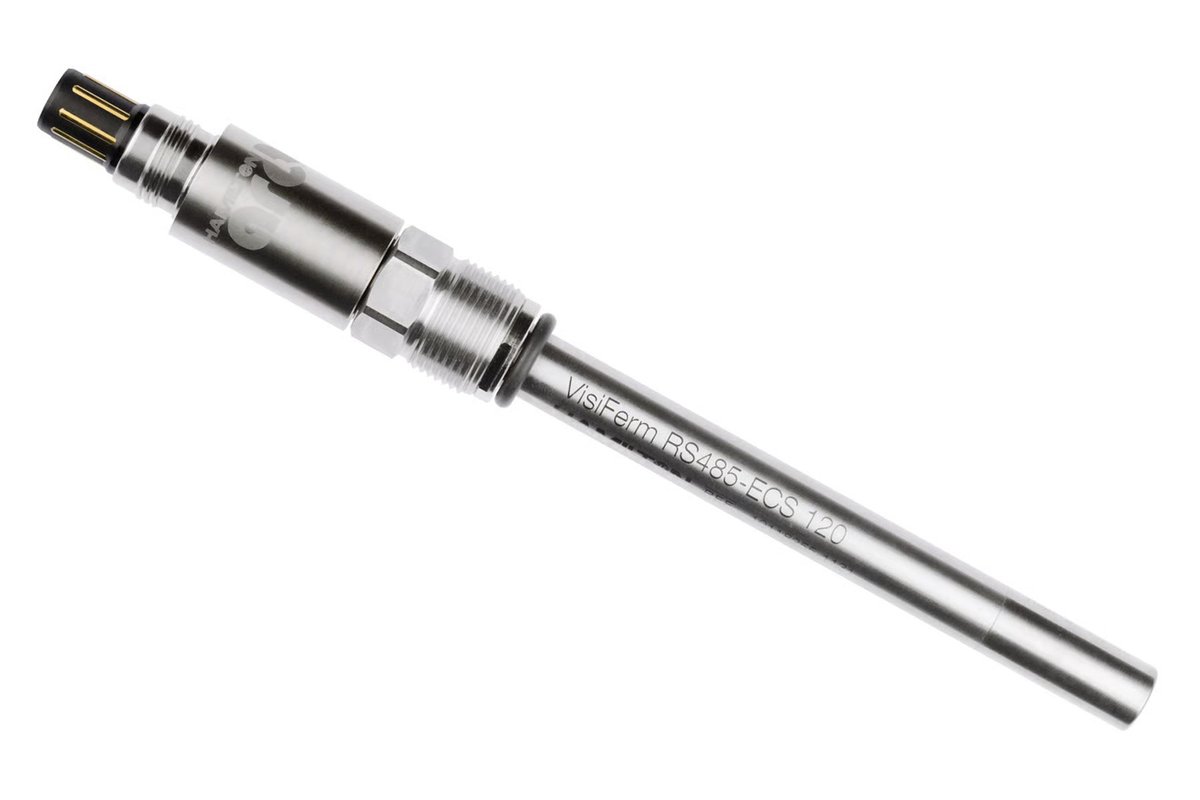
For harsh duties, we recommend Hamilton (Switzerland) process-analysis sensors
In strongly alkaline, high-temperature, fluoride-laden, heavily crystallizing duties, choosing the wrong electrode means misery for the field instrument crew. Ordinary industrial electrodes get poisoned, jammed or drift within 2–3 months. We recommend Hamilton (Switzerland) process-analysis sensors, featuring the patented Single Pore reference and special HF-resistant, high-temperature glass formulations — no more micropore clogging, and a genuine improvement in the continuous run time of precursor reactors and leaching tanks.
Electrodes are consumables — this must be stated clearly
Process electrodes have finite chemical and physical service lives:
- pH glass electrodes: 6–18 months in conventional aqueous duty; shorter in high-temperature, strongly alkaline, fluoride-containing or solids-laden service — high temperature or strong alkali shortens life significantly
- Dissolved oxygen electrodes: electrolyte needs periodic renewal and membranes need periodic replacement
- Conductivity electrodes: the cell constant drifts with fouling and requires periodic cleaning and calibration
Anyone who writes “no electrode replacement for five years” into a proposal either does not understand the duty or is misleading you. The correct approach is to budget consumable cost and replacement intervals into the procurement plan.
Common selection crossroads
| Duty | Common wrong choice | Correct direction |
|---|---|---|
| Fluoride-containing media | Ordinary glass electrode | Fluoride-resistant dedicated electrode |
| High temperature >80°C | Ambient-temperature electrode + extension sheath | High-temperature electrode + heat-rated cable |
| High-purity water, low conductivity | Conventional conductivity electrode | Low cell constant, flow-through measuring cell |
| Solids-laden, fouling-prone | Standard insertion type | Flat-tip / cleanable design + automatic cleaning |
| Hygienic duty | Threaded connection | Hygienic clamp connection |
Before selection, please prepare these parameters
This checklist is the very basis of our selection — the more complete your input, the more accurate the selection and the faster the quotation. You may download the blank form, fill it in and send it back, or simply organize the information into text according to the list.
Process information
- Your industry; equipment or pipeline name, size and material; installation location
- Process medium name and concentration; operating pressure (G); operating / design temperature (°C)
- Viscosity (mPa·s) and density (kg/m³) under operating conditions; agitation (speed) if any
Measurement requirements
- Maximum / normal / minimum measuring range; measurement accuracy
- Local display required or not; distance between local display and the electrode probe
- Output signal and power supply
Construction and certification
- Ex-proof and ingress-protection ratings; electrical connection size
- Wetted-material requirements; electrode insertion length; electrode sheath type
- Accessories required and remarks
Scope of supply
Electrode supply, mounting hardware, FLT-TYPE-02 transmitter terminal support, calibration solutions, commissioning and operator training.